Zero-Click Searches Explained: How to Win Visibility Without Website Visits

In 2026, we are living in a "clickless" era where the search engine is the destination, not just the map. According to a report by Forbes, nearly 58.5% of searches now end without a single click to a third-party website. This means for every ten people looking for your services, six of them are making up their minds based solely on what they see on Google's front page.
At Bayshore Communication, we believe this is the greatest branding opportunity of the decade. This led to the rise of the Zero-Click Searches Explained: How to Win Visibility Without Website Visits strategy. It’s no longer just about losing traffic; it’s about evolving your brand to build authority directly on the search page.
Google is realizing that if they give someone the answer right on the results page, that user stays happy. We’ve seen this coming for a while, and it's time for Florida businesses to stop fearing the "missing click" and start owning the "instant answer."
1) What Exactly is a Zero-Click Search?
A zero-click search occurs when the search engine satisfies a user's intent without requiring them to click a link. Suppose you’re looking for a quick fix for a leaky faucet while your hands are full. You don't want to browse a site; you want the three-step solution right there on your screen.
Google uses various "SERP Features" to make this happen. When we help our clients at Bayshore Communication, we focus on appearing in these spots because that's where the eyes are. If your brand is the one providing that instant relief, you've already won a massive amount of trust before the customer even sees your homepage.
This behavior is driven by the rise of AI Overviews and rich results. Instead of a list of links, users receive a synthesized answer. It’s fast, it’s efficient, and for the user, it’s a dream. For the business owner, it requires a shift in mindset. You are a source of truth that Google trusts enough to display to millions of people simultaneously.
2) Why "On-SERP SEO" is the New Branding Authority

You might think that no clicks mean no business; however, that’s just not how the modern web works. Visibility is the new currency. When your brand appears as the "Featured Snippet" or the top result in a "Local Pack," Google is essentially giving you a status of authority. This is a critical part of capturing Micro-Moments in Digital Marketing, where users need immediate answers. If they see your name associated with the right solution ten times, guess who they’re calling when they finally need a full service?
It builds a "share of mind" that traditional ads can't touch. We are chasing dominance over the entire search page. This strategy ensures that even if a user doesn't visit your site today, your brand is the one they remember tomorrow. When you provide the answer, you become the expert. It’s about being helpful at the exact second someone has a problem.
3) How We Win Visibility Without Website Visits
To get your business into these prime spots, we have to write for both humans and the "Answer Engines." It’s about being helpful, not just being loud. We lean heavily on UX Writing That Turns Browsers Into Buyers because clear, simple language is what Google loves to pull for its snippets. Here is how we make it happen:
Structure for the Snippet: We use a "question-and-answer" format. We pose the common customer question in an H2 and answer it immediately in a tight 40-50 word paragraph that Google can easily scrape.
Schema Markup Mastery: We use technical code to tell Google exactly what your content is. Be it a price, a rating, or an address. So it shows up as a "Rich Result."12
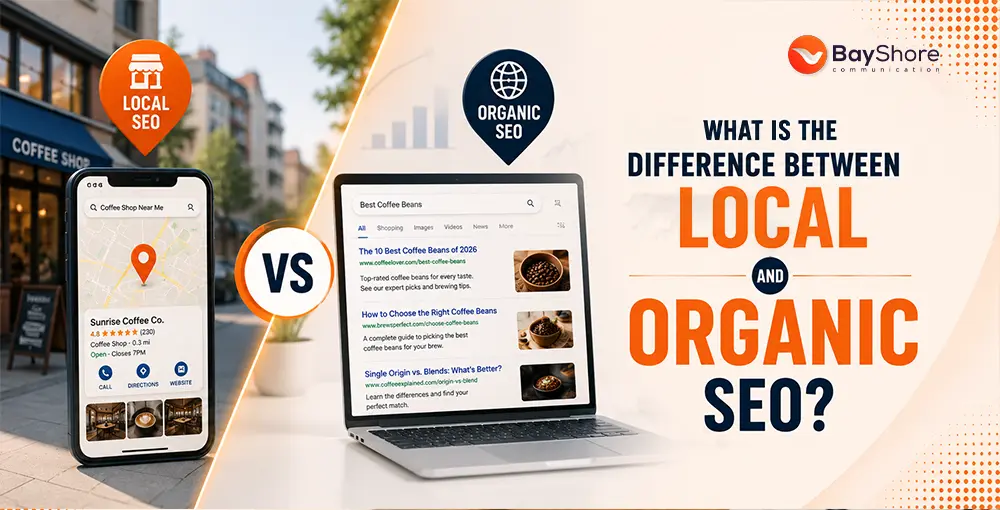
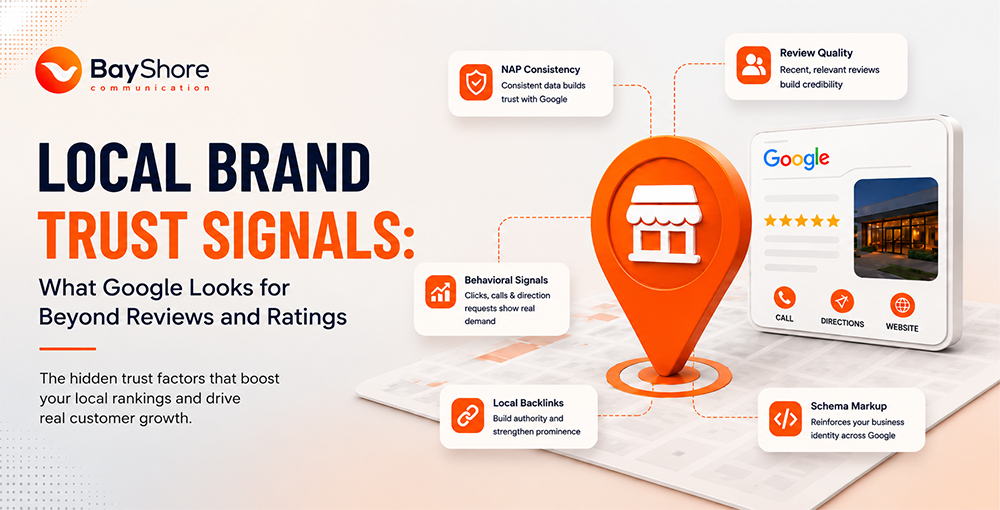
Local Pack Optimization: For our Florida clients, we ensure the Google Business Profile is a powerhouse. Most local decisions happen in the map pack without a single website visit.
Bite-Sized Knowledge Blocks: We break down complex services into simple bullet points or tables. AI models prefer structured data over walls of text.
4) Comparing Traditional SEO vs. Zero-Click SEO
The game has changed, so the way we track it has to change too. Traditional SEO was all about getting that session count up. On-SERP SEO is about impressions and brand recall.
The following table highlights the core differences in how we approach these two worlds to ensure our clients stay ahead of the curve.
1. Success Metric
Traditional SEO (The Old Way):
Success was measured primarily by Click-Through Rate (CTR) and total website traffic.
Zero-Click SEO (The 2026 Way):
The focus shifts to SERP impressions, visibility, and share of voice — even if users don’t click.
2. Content Goal
Traditional SEO:
Encourage deep reading, increase dwell time, and guide users through multiple pages.
Zero-Click SEO:
Deliver fast, structured answers directly within the search results to capture attention instantly.
3. Primary Placement
Traditional SEO:
Ranking in the standard “blue link” results.
Zero-Click SEO:
Owning Featured Snippets, AI Overviews, People Also Ask sections, and other on-SERP features.
4. Technical Focus
Traditional SEO:
Keyword density, backlink building, and domain authority.
Zero-Click SEO:
Schema markup, structured data, and strong entity authority to help search engines understand and surface your brand.
5. User Journey
Traditional SEO Journey:
Search → Click → Website
Zero-Click SEO Journey:
Search → Answer → Brand Recall
5) The Global Shift Toward Digital Authority

This isn't just a local trend; it's a global transformation. The World Bank notes in its 2025-2026 reports that digital connectivity and AI-ready content are now the bedrock of inclusive economic growth. If your business isn't structured to be read by these new AI systems, you’re missing out on the primary way the world now accesses information.
As the digital economy grows to represent over 20% of global GDP, being an "Answer Source" is a prerequisite for market participation. Even the U.S. Government emphasizes that search optimization is a requirement for transparency and public trust.
At the end of the day, whether you are a local shop or a global service provider, your "digital handshake" happens on the search page long before it happens on your site. If the government is optimizing for direct answers, your customers expect the same level of efficiency from your business.
6) Measuring Success (Beyond the Click)

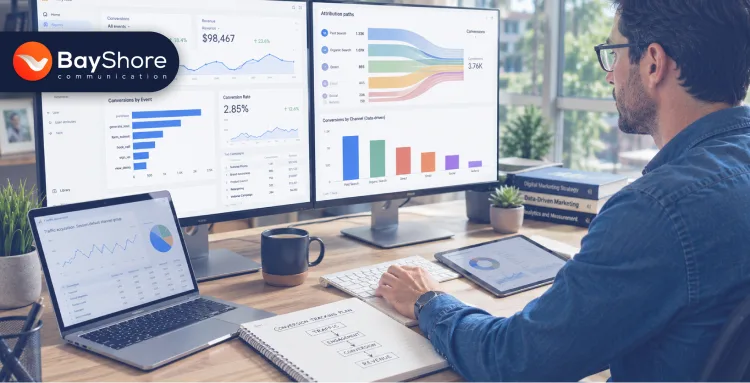
If you only look at your Google Analytics "sessions," you might think you're failing while you’re actually winning. In a zero-click world, we look at "Branded Search Volume". How many people are typing your name into Google because they saw you in a snippet earlier? This is a sign of true authority.
We also track "Indirect Conversions," like phone calls made directly from a mobile search or physical foot traffic tracked via GPS. For service-based businesses, this often leads to a better ROI than traditional traffic because the users are already "pre-sold" by your helpful snippet. We also ensure that when users do decide to visit for deeper research, your site is fast and reliable.
We often recommend Progressive Web Apps (PWAs) to keep that speed high. It’s a total ecosystem approach that keeps your brand relevant in 2026 and beyond. If you aren't visible on the SERP, you are invisible to the modern consumer.
Frequently Asked Questions
What is a zero-click search?
A zero-click search is when a user finds the answer to their query directly on the Google results page through a snippet, map, or AI overview, without clicking on any website link.
Does this mean I should stop writing long-form blogs?
No! Long-form content builds the "Expertise" Google needs to see. However, you should add "snippet-ready" summaries at the top of those blogs to win the zero-click spot.
How can Bayshore Communication help with zero-click SEO?
We specialize in Schema markup, local SEO, and AI-optimized content structures that ensure your brand is the one Google chooses to display as the definitive answer for your industry.
Will AI Overviews take away all my traffic?
AI will take away simple "fact" traffic, but it will cite authoritative brands. 17 Our goal is to make sure you are the brand being cited so you stay relevant in the AI era.
Dominating the Future with Bayshore Communication
The search landscape is shifting under our feet; however, that just means there’s more room to grow if you know where to plant your feet. At Bayshore Communication, we don't just chase the old metrics of the past. We look ahead to how people actually use the web today. By mastering zero-click searches and On-SERP visibility, we ensure your business remains the most trusted name in your industry, click or no click.
Let’s talk. We ensure when your customers have a question, your name is the first and only one they see.