Lead Generation | 10 Proven Business Growth Strategies
High-quality business lead generation requires a mix of inbound value creation, digital optimization and active networking. Whether you operate a local brick-and-mortar storefront or a digital B2B company, the proper mix of tactics will keep your sales pipeline full.
Key Takeaways
Identify ideal customers first. Avoid wasted marketing spending.
Search optimization attracts active solution seekers. Quality content draws prospective buyers.
Social posts expand client reach. Direct emails engage potential buyers. Referrals bring trusted prospects.
Valuable resources encourage lead contact sharing. Free downloads collect customer details.
Evaluate buyers using needs. Check buyer budget limits. Verify clear buying intent.
Tracking conversions measures performance. Measuring performance improves strategy.
What Is Lead Generation For Business?
Lead generation attracts potential customers. Prospects show interest in your business. People submit contact forms. Users request software demos. Subscribers join your newsletter. Buyers respond to sales messages.
Google searches find service providers. Customer referrals bring new leads. These methods connect businesses with buyers. Some prospects study available options. Other prospects need immediate solutions. Smart businesses adjust follow-up strategies.
Core Lead Generation Playbook
10 Proven Ways To Get Leads For Your Business
1.Define Your Ideal Customer
Identify likely buyers first. Analyze customer industry location budget. B2B companies target decision makers. B2C businesses study customer preferences. Simple profiles identify target needs.
Marketers outline client problems. Teams map search locations. Target profiles prevent wasted resources. Unqualified prospects waste money. Focus attracts ideal customers.
2.Use SEO To Attract Organic Leads
Search engine optimization attracts potential buyers. Active searchers seek specific solutions. Target keywords reflect buyer intentions. Useful articles answer search questions. Service pages address customer needs. Optimizers update page titles. Clear headings organize website content. Internal links connect relevant pages. Fast speeds improve user experience.
Direct calls encourage visitor actions. Local businesses update Google profiles. Accurate details establish local trust. Positive feedback boosts brand reputation. Search rankings demand continuous time. High rankings deliver consistent leads. SEO avoids per-click costs.
3.Publish Helpful Content Marketing Materials
Content marketing attracts potential customers. Useful guides solve buyer problems. Informative articles build trust. Companies publish detailed case studies. Topics match customer challenges. Cybersecurity firms share safety guides.
Free assessments engage interested readers. Clear calls prompt user action. Helpful resources attract qualified buyers. Relevant topics convert visitors.
4.Generate Leads Through Social Media
Social channels link companies with prospects. Target audiences dictate platform selection. LinkedIn fuels professional expansion. Facebook engages local buyers. Instagram engages potential buyers. Active communities reveal customer questions. Teams share practical tips. Success stories demonstrate clear expertise.
Product demos show real value. Interactive posts build buyer trust. Personal messages target key decision makers. Generic spam alienates potential clients. Consistent value produces reliable leads. Smart sellers nurture strong relationships. Interested prospects complete final conversions.
5.Use Cold Email And Direct Outreach
Cold outreach connects businesses with new prospects. Targeted messages help specific B2B industries. Ideal customer profiles guide list creation. Senders locate relevant decision makers. Personalized emails address specific business challenges. Clear messages explain practical solutions. Simple questions encourage prospect responses.
Low-pressure invitations offer quick product demos. Respectful messages observe local privacy laws. Legal compliance requires unsubscribe links. Response tracking guides outreach plans. Campaign statistics reveal qualified prospects. Booked meetings prove campaign success.
Enterprise Lead Generation Solutions
Ready To Scale Your Business Lead Generation?
Bayshore Communication helps fuel enterprise expansion with customized marketing strategies and specialized lead interaction teams.
GET STARTED WITH BAYSHORE COMMUNICATION6.Run Targeted Paid Advertising Campaigns
Paid campaigns generate fast leads. Target settings determine campaign results. Search ads engage active users. Social promotions reach designated groups. Professional networks contact specific managers. Ad links route users to conversion pages. Dedicated pages present clear offers.
Simple forms collect user info. Small budgets allow initial testing. Teams test different messages. Marketers track lead costs. Ad metrics measure prospect quality. Qualified buyers justify ad spend.
7.Offer Free Resources, Trials, Or Consultations
Lead magnets offer useful resources. Prospects trade contact information. Free offers drive initial interest. Helpful content attracts potential buyers.
Examples include:
- Digital resources provide immediate practical value.
- Free trial offers demonstrate core product features.
- Interactive tools generate custom evaluation reports.
Targeted offers solve specific problems. Specialized checklists attract qualified buyers. Keep registration forms simple. Collect essential user information. Deliver promised resources immediately. Follow-up emails provide helpful guidance.
8.Build Referral And Partnership Networks
Referrals connect companies with potential buyers. Satisfied clients provide strong endorsements. Verified reviews eliminate customer hesitation. Sales teams request recommendations from happy buyers. Structured programs offer straightforward rewards.
Strategic partnerships increase market reach. Web designers collaborate with SEO agencies. Related companies serve common client bases. Clear terms guide lead distribution. Structured agreements outline partner compensation. Regular communication maintains strong relationships. Active partnerships supply reliable leads.
9.Optimize Your Website For Conversions
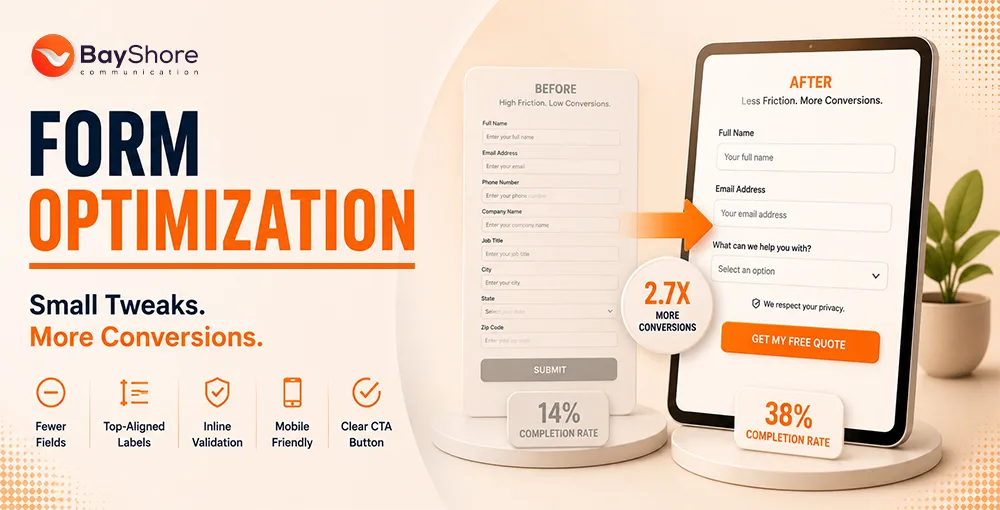
Website conversion requires clear actions. Landing pages explain core services. Business messaging targets specific audiences. Direct calls command user action. Customer testimonials build online trust. Case studies show proven results. Short forms increase submission rates.
Mobile optimization improves user experience. Simple steps encourage customer signups. Form tracking measures lead generation. Call metrics reveal conversion rates. Page analytics show user dropoff. Performance data highlights successful pages.
10.Use CRM Software To Manage And Nurture Leads
CRM systems organize prospect data. Structured systems prevent lost leads. Databases log customer contacts. Tracking tools record lead sources. Software notes buyer interests. Systems track interaction history. Team members manage follow-up tasks.
Scheduled reminders prompt timely actions. Segmentation divides active leads. Specific tags indicate buyer readiness. Demo requests trigger sales calls. Guide downloads receive educational emails. Pipeline reviews reveal stalled deals. Relevant follow-ups preserve client relationships.
Which Lead Generation Strategy Should You Choose?
Business models dictate channel selection. Target markets influence strategic decisions. Available resources limit implementation options. Below charts compare standard tactics.
Businesses select few marketing channels. Teams target primary platforms. Marketers measure early results. Tracking guides future investments.
How Do You Turn Business Leads Into Paying Customers?
Prospecting starts sales funnels. Sales processes turn prospect interest into stable income. Strong conversion metrics boost profits.
Follow these practical steps:
- Qualify active leads first. Verify buyer needs. Check target market fit.
- Great customer service requires clear communication. You acknowledge messages fast. You establish next steps right away.
- You learn client needs completely. You ask targeted questions. You discover business challenges. Clarify customer goals. Define project timelines. Confirm client budgets.
- Present suitable solutions. Explain product benefits. Address specific client problems.
- Follow up consistently. Share useful information. Answer remaining questions.
- Measure conversions regularly. Track customer conversions. Calculate acquisition costs.
- Treat leads differently. Immediate buyers receive priority attention. Future browsers require separate handling.
How Can You Measure Lead Generation Performance?
Tracking performance guides channel investment. Teams prioritize business metrics. Measurable results drive spending choices.
Lead volume measures lead totals. Companies count generated leads. Specific periods define tracking timeframes.
Lead conversion rate measures customer actions. Targeted percentages show completed actions. Conversion metrics reflect successful results.
Cost per lead calculates marketing expense. Total spending divides total leads. This metric determines lead acquisition cost.
Lead-to-customer rate measures buyer conversions. Specific percentages show paying clients. Companies track successful sales.
Customer acquisition cost measures client expenses. Total acquisition spending divides new customer totals. This metric reveals customer cost.
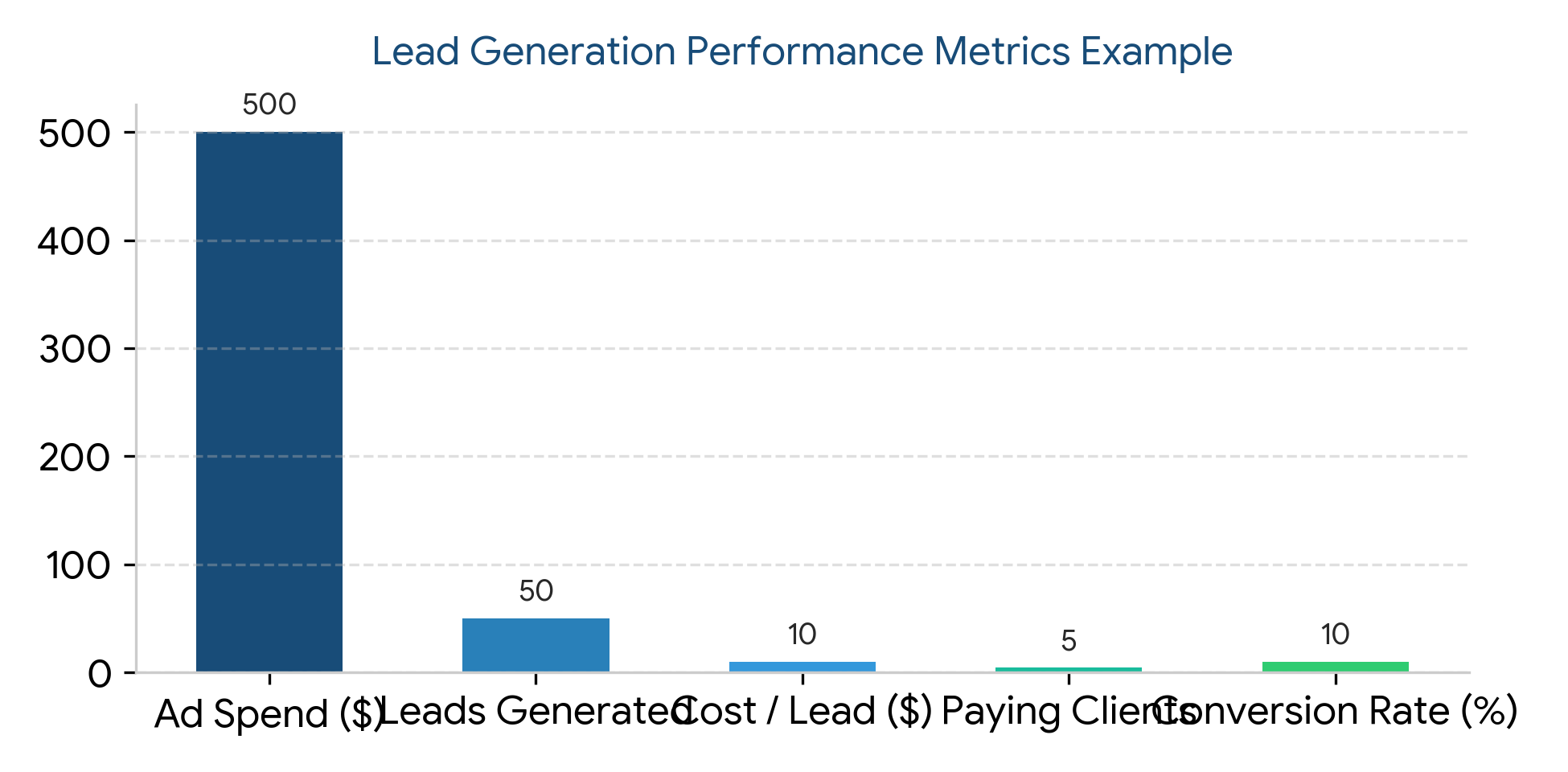
Five hundred dollars generates fifty leads. This spending yields ten dollars per lead. Five leads become paying customers. This outcome yields a ten percent conversion rate.
Metrics alone do not confirm profitability. Teams compare acquisition costs with total customer revenue. Low volume channels offer higher business value.
Common Lead Generation Mistakes To Avoid
Inconsistent execution harms good strategies. Poor implementation reduces strategy results. Marketers avoid common execution errors.
- Broad targeting wastes marketing efforts: Companies define ideal customers. Clear buyer profiles improve targeting results.
- Purchasing poor contact lists creates risk: Unverified data harms outreach efforts. Unapproved lists violate consent rules.
- Generic outreach messages fail: Standard templates ignore client needs. Personalized messages drive better response rates.
- Paid traffic requires clear conversion paths: Unclear user journeys waste marketing funds. Proper conversion routes capture incoming traffic.
- Delayed follow-ups lose prospects: Quick responses preserve interest.
- Lead volume ignores lead quality: Teams assess lead value.
- Long-term channels demand patient effort: Instant expectations fail.
Regular reviews highlight process weaknesses. Teams fix weak operations. Small adjustments improve lead generation. Consistent updates enhance overall results.
Final Thoughts
Prospecting demands focused audience selection. Direct copy hooks prospective clients. Bayshore Communication enhances client relationships. Customized marketing options fuel enterprise expansion. Specialized teams improve lead interactions. Systematic processes assist prospect follow-ups. Efficient processes improve customer satisfaction. Smart alliances drive strong lead capture. Meaningful talks generate real business gains.
Accelerate Your Sales Pipeline
Drive Consistent, High-Quality Leads Today
Partner with Bayshore Communication to optimize your digital channels, streamline prospect follow-ups, and convert leads into long-term revenue.
CONTACT BAYSHORE COMMUNICATIONFrequently Asked Questions
Frequently Asked Questions
1. What Is The Best Way To Get Leads For Your Business?
Target audiences dictate strategy selection. Strategic goals guide campaign methods. Search optimization generates leads. Direct outreach contacts prospects. Social media brings buyers. Paid ads generate fast visitors. Recommendations deliver warm leads. Relevant deals need regular contact.
2. How Can I Get Business Leads For Free?
Organic methods create zero ad costs. Helpful blogs attract web traffic. Social media builds audience engagement. Direct networking yields client referrals. Online communities supply new leads. Free channels demand dedicated time. Consistent effort yields organic growth. Real interaction drives long-term success.
3. How Do Small Businesses Generate More Leads?
Small companies pinpoint target buyers. Good sites boost user experience. Client reviews build trust. Partner networks supply fresh leads. Direct messaging hits focused clients. Helpful content draws active prospects. Small budgets power smart campaigns.
4. How Do I Generate B2B Leads?
Teams identify target companies. Experts study top leaders. Niche content teaches peers. Direct contact attracts leads. Industry channels extend reach. Targeted ads deliver direct leads. Product demos convert interested buyers.
5. How Long Does Lead Generation Take?
Channel choice alters lead timelines. Paid ads create early inquiries. Direct outreach brings quick responses. Search optimization requires continuous effort. Content marketing takes processing time. Steady work yields reliable results.
6. How Can I Improve Lead Quality?
Specific customer profiles improve lead quality. Relevant offers attract qualified prospects. Clear screening questions filter prospective buyers. Sales teams track converting leads. Performance data refines target profiles. Updated messaging enhances future campaigns.
Disclaimer
This blog is for informational purposes only. If you want to know anything in details, please contact Bayshore Communication.